1. Introduction to Market Regimes in Crypto
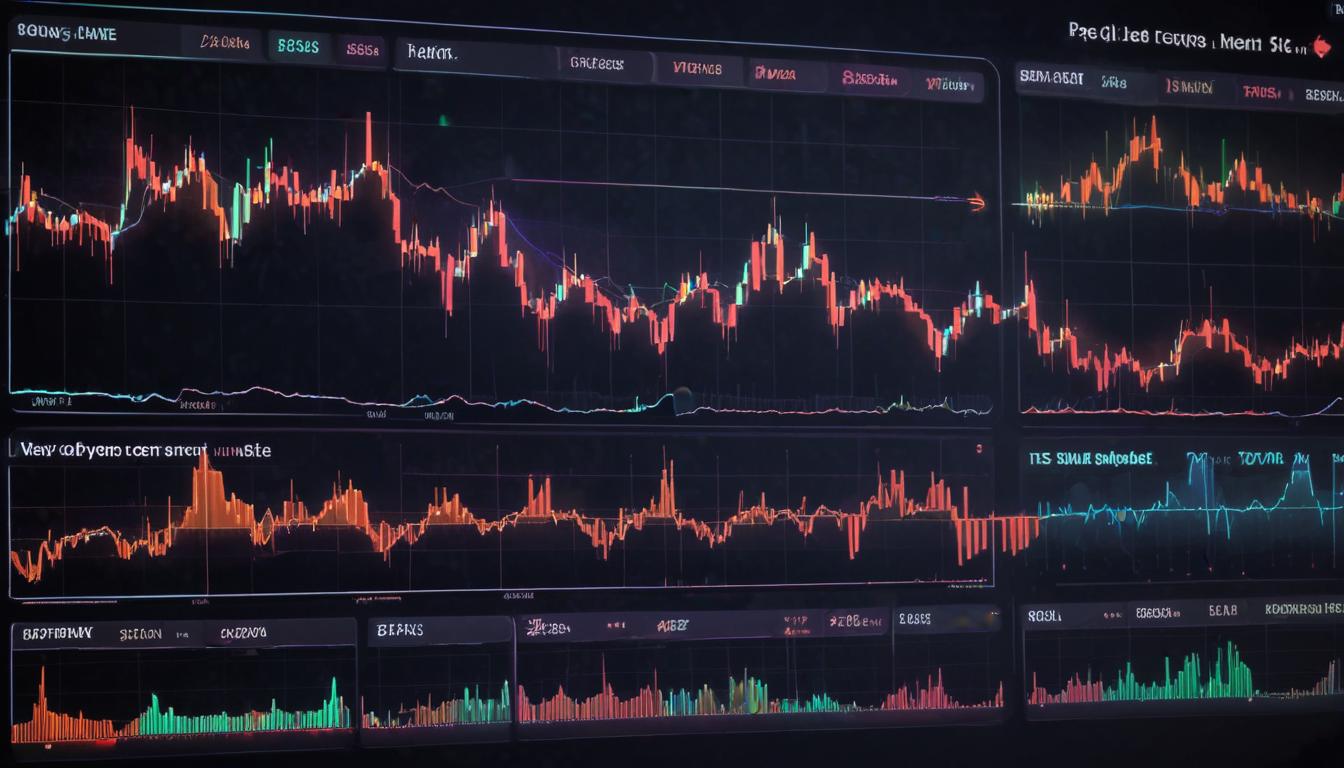
Market regimes—bull, bear, and chop—represent distinct states of price behavior, volatility, and investor sentiment. In 24/7 crypto markets these states transition rapidly, making single‑indicator signals insufficient for accurate detection. This article outlines three methodological families: rule‑based scoring, statistical Hidden Markov Models, and clustering/ML approaches, setting the stage for a deeper technical dive.
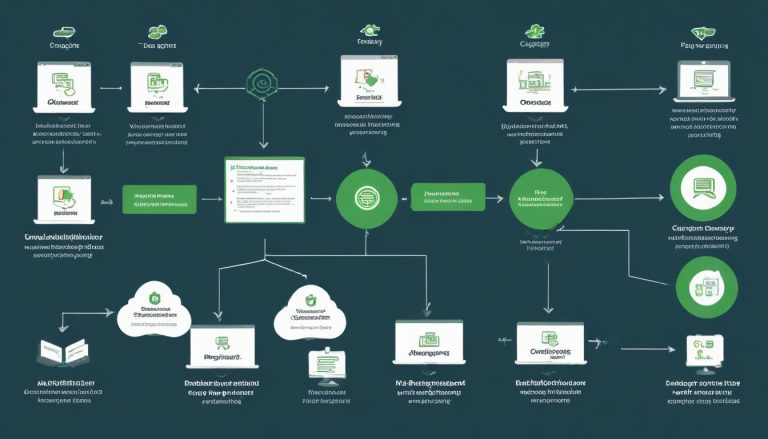
Rule‑based regime detectors combine weighted signals from funding rates, open interest, crowd sentiment, on‑chain flows, macro context, and price structure. Each signal receives a configurable weight, enabling interpretable and debuggable pipelines that can be tuned for specific assets or timeframes.
- Funding rate / open interest weighting
- Crowd sentiment score integration
- On‑chain flow monitoring
- Macro regime overlay
- Price‑structure pattern detection
2. Statistical and ML Modeling Approaches
Hidden Markov Models infer latent regimes from observable metrics such as returns, volatility, and volume, though stationarity assumptions often break in highly volatile crypto data. Clustering techniques like K‑means and Gaussian mixture models enable data‑driven regime segmentation after careful feature engineering.
- Returns, realized volatility, volume
- Rolling window statistics
- Feature scaling and PCA
- Regime labeling via cluster centroids
3. Practical Integration and Deployment
Developers can either consume third‑party APIs such as getregime.com or build custom detectors. Python snippets illustrate pre‑trade filtering, Freqtrade hook integration, and webhook alerts that trigger regime‑aware strategy adjustments.
- REST API calls for regime prediction
- JSON payload handling
- Latency benchmarking
- Failover mechanisms
4. Evaluation Metrics and Validation
Key performance indicators include classification accuracy, transition detection latency, false‑positive/negative rates, and the impact on strategy win rate and drawdown. Backtesting frameworks that overlay regime filters on historical crypto data validate detector reliability.
- Classification confidence calibration
- Latency measurement in seconds
- False positive rate analysis
- Win‑rate improvement post‑filtering
- Drawdown reduction metrics
- Model drift monitoring
5. Software Engineering Best Practices
Maintainable detection systems rely on modular signal pipelines, unit‑tested scoring logic, and drift‑aware model monitoring. Error handling for 24/7 data feeds, graceful degradation during API outages, and versioned configurations ensure long‑term operational stability.
- Modular signal composition
- Automated regression tests
- Drift detection alerts
- Configurable thresholds
- Retry logic with exponential backoff
6. Conclusion and Next Steps
Hybrid approaches often outperform pure rule‑based or pure ML solutions, but the optimal mix depends on the asset class and risk appetite. Readers are encouraged to start with a simple rule‑based detector, audit existing strategy performance with regime filtering, and iteratively incorporate statistical or ML components.