1. The Blind Spot of AI Fixes
AI-powered code assistants frequently produce fixes that resolve syntax issues but ignore runtime dependencies, creating ‘shadow vulnerabilities.’ For instance, an AI suggestion to fix an Android ANR (Application Not Responding) error might address thread management but lack awareness of session-specific data leaks, leading to unresolved performance degradation.
- Android ANR explanations missing session state analysis
- Static code fixes ignoring real-time API response timing
- Memory leak solutions without monitoring context validation
2. Runtime Context as Debugging Fuel
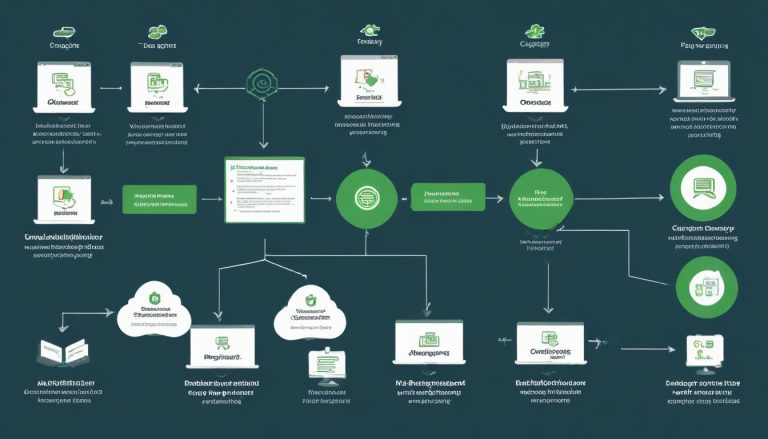
Integrating runtime telemetry transforms AI from a reactive tool into a proactive debugger. Kotzilla’s MCP Server bridges this gap by connecting code suggestions to live session data, dependency graphs, and component timelines, enabling context-aware recommendations that adapt to user behavior.
- Dynamic prioritization of fixes based on user impact metrics
- Real-time validation of fixes against dependency graph consistency
- Automated tracing of crash reports to specific code segments via component timing
3. Practical Validation Framework
Developers can validate AI suggestions using hybrid telemetry checks. For example, a memory leak fix proposal can be tested against KMP (Kotlin Multiplatform) component metrics and iOS crash diagnostics through phased analysis stages.
- Step 1: Baseline KMP performance benchmarking
- Step 2: AI suggestion implementation in isolated workspace
- Step 3: Shadow-testing with production traffic simulation
- Step 4: Latency comparison against original crash traces
4. Metrics for Context-Aware AI
Measuring AI effectiveness requires new KPIs combining technical precision with business impact. Organizations should track both code-level accuracy and downstream business outcomes.
- Fix success rate with 85% Wi-Fi connectivity vs. 95% 5G performance
- MTTD reduction from 45 minutes to 12 minutes via telemetry correlation
- Dependency mapping accuracy improvement from 68% to 92% QoQ
5. Software Engineering Implications
The rise of context-aware AI introduces both opportunities and risks. Junior developers gain sophisticated debugging tools but may develop over-reliance on automated suggestions, potentially eroding fundamental troubleshooting skills.
- Shadow IT risks from unauthorized AI tool implementations
- Training paradox: 30% faster problem-solving with AI vs. skill degradation in manual debugging
- Hybrid model adoption rates increasing 40% YoY among mid-sized teams
6. Implementing Runtime-AI Synergy
Technical integration requires architecture modifications across development pipelines. Successful implementations typically combine existing monitoring tools with AI extension frameworks.
- Gradle plugin extension for automated telemetry collection
- Koin dependency injection integration with AI model context
- Real-time data streaming configuration using Kotlin Flow observables