Category: Artificial Intelligence
Tags:AI agents, vibe coding, harness engineering, AI workflows, MCP integration, production-grade AI, AGENTS.md, subagent orchestration, AI development tools, code automation,
Why Harness Engineering is the Missing Link Between Vibe Coding and Production AI
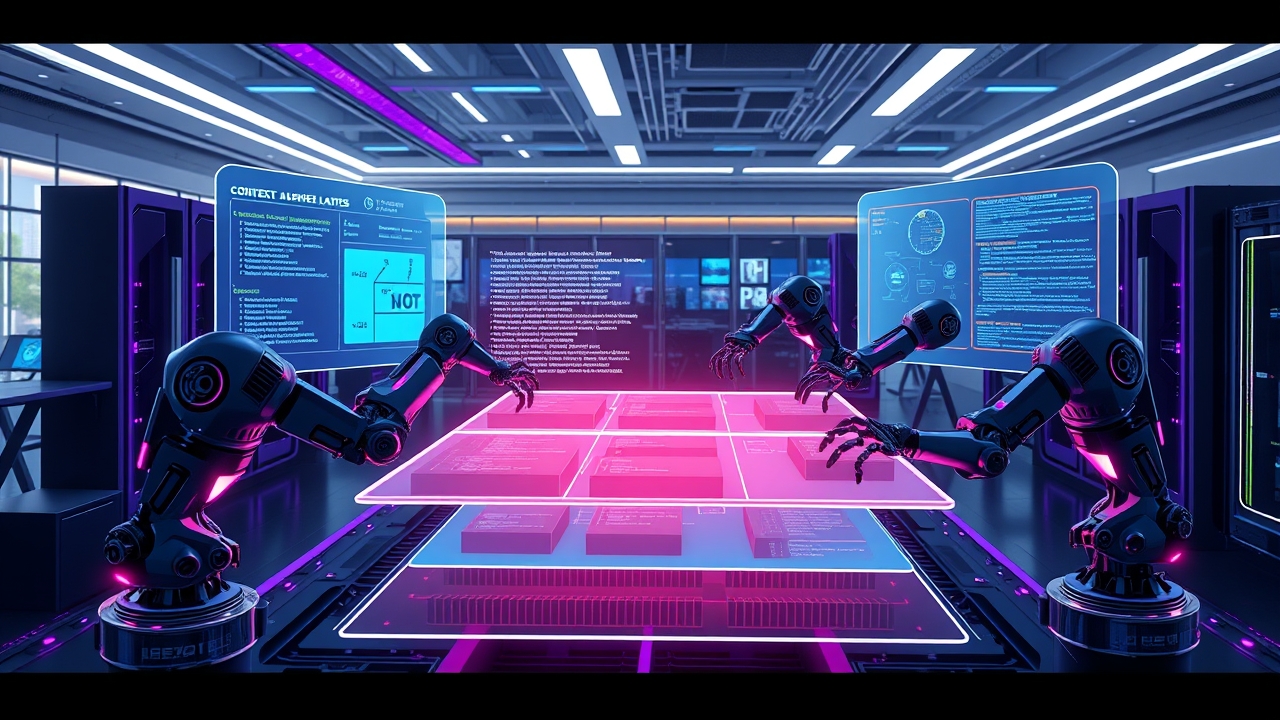
Vibe coding—where developers rapidly prototype AI-driven solutions without strict structure—often leads to outputs that are ‘almost right’ but fail in production. These near-misses occur because AI agents lack the necessary guardrails, context layers, and review processes to ensure consistency. Harness engineering bridges this gap by providing a systematic framework to transform experimental AI tools into reliable, scalable systems. By implementing structured context layers, scoped rules, and review gates, you can prevent costly errors and ensure your AI agents deliver predictable, high-quality results.
#AIAgents #ArtificialIntelligence #SoftwareEngineering #MLOps #GenAI #Softved
The Core Pillars of Harness Engineering for AI Agents
- Structured Context Layers: Layered context ensures AI agents have the right information at the right time, reducing ambiguity and improving output accuracy.
- Scoped Rules and Constraints: Define clear boundaries for AI behavior to prevent unintended actions or outputs that deviate from project goals.
- Review Gates and Validation: Implement automated and manual review processes to catch errors before deployment, ensuring only high-quality outputs proceed.
- Modular Agent Design: Break down complex AI workflows into smaller, reusable subagents to improve maintainability and scalability.
- MCP Integrations: Seamlessly connect AI agents with Model Context Protocol (MCP) to enhance their ability to understand and execute tasks within existing systems.
Step 1: Designing Structured Context Layers for AI Clarity
AI agents often struggle because they lack the full context of a project. Structured context layers solve this by breaking down information into digestible, hierarchical layers. Start with a high-level overview of the project goals, followed by detailed sub-contexts such as technical specifications, user requirements, and environmental constraints. This layered approach ensures AI agents have the precise information they need to make informed decisions without overloading them with irrelevant data.
- Project Goals and Objectives: Define the primary purpose of the AI agent and its expected outcomes.
- Technical Specifications: Include programming languages, frameworks, and system architectures relevant to the task.
- User Requirements: Document stakeholder expectations, including usability, performance, and security needs.
- Environmental Constraints: Highlight any limitations such as hardware capabilities, network conditions, or compliance requirements.
- Error Handling Strategies: Outline how the AI should respond to unexpected inputs or failures during execution.
Step 2: Defining Scoped Rules to Keep AI Agents on Track
Without clear boundaries, AI agents can veer off course, producing outputs that don’t align with project goals. Scoped rules act as guardrails, defining what the AI can and cannot do. These rules should be specific, measurable, and enforceable. For example, if your AI agent is tasked with generating code, scoped rules might include constraints on the programming languages it can use, the libraries it can reference, and the performance benchmarks it must meet.
- Language and Framework Restrictions: Specify which programming languages or frameworks the AI agent is allowed to use.
- Library and Dependency Rules: Define approved libraries and dependencies to avoid version conflicts or security vulnerabilities.
- Performance Benchmarks: Set minimum and maximum performance thresholds for outputs, such as execution time or resource usage.
- Security Constraints: Enforce security policies, such as data handling protocols or access control measures.
- Compliance Guidelines: Ensure the AI agent adheres to industry standards or regulatory requirements relevant to your project.
Step 3: Implementing Review Gates for Quality Assurance
Even the best-designed AI agents can produce subpar or incorrect outputs. Review gates introduce a layer of quality control, catching errors before they reach production. These gates can be automated, manual, or a combination of both. Automated review gates might include syntax checks, performance tests, or security scans, while manual gates could involve human oversight for high-stakes decisions or complex outputs.
- Automated Syntax Checks: Use linters or static analysis tools to validate code structure and formatting.
- Performance Testing: Run benchmarks to ensure outputs meet predefined performance criteria.
- Security Scans: Integrate tools like SAST or DAST to identify vulnerabilities in generated outputs.
- Human Review Processes: Assign tasks to human reviewers for final validation, especially in critical applications.
- Feedback Loops: Implement mechanisms to capture and act on feedback from reviews to continuously improve the AI agent.
Step 4: Modular Agent Design for Scalability and Maintainability
Monolithic AI agents are difficult to maintain, debug, and scale. Modular agent design addresses this by breaking down workflows into smaller, specialized subagents. Each subagent handles a specific task, such as data processing, code generation, or validation, and can be updated or replaced independently. This approach not only simplifies maintenance but also enables parallel development, where multiple subagents can be worked on simultaneously without disrupting the entire system.
- Task Specialization: Assign each subagent a specific role, such as data preprocessing, model training, or output validation.
- Reusable Components: Design subagents to be reusable across different projects or workflows to maximize efficiency.
- Isolated Testing: Test each subagent independently to identify and fix issues without affecting the entire system.
- Dynamic Orchestration: Use an orchestrator to manage interactions between subagents, ensuring seamless workflow execution.
- Scalability: Add or remove subagents as needed to adapt to changing project requirements or workloads.
Step 5: Integrating MCP for Seamless AI-Agent Workflows
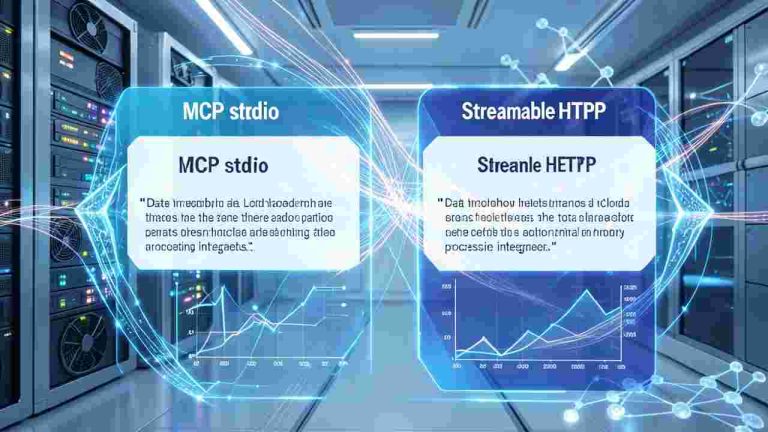
The Model Context Protocol (MCP) is a standardized way for AI agents to interact with external systems, tools, and data sources. Integrating MCP into your harness engineering framework allows AI agents to access real-time information, execute commands, and collaborate with other systems without manual intervention. This integration enhances the agent’s ability to understand and respond to dynamic environments, making it a critical component of production-grade AI workflows.
- Real-Time Data Access: Enable AI agents to fetch and process up-to-date information from databases, APIs, or other sources.
- Tool Integration: Connect AI agents to external tools like version control systems, project management platforms, or CI/CD pipelines.
- Cross-System Collaboration: Facilitate communication between multiple AI agents or systems to handle complex workflows.
- Dynamic Context Updates: Automatically update the AI agent’s context based on changes in external systems or user inputs.
- Security and Authentication: Implement MCP-compliant security measures to protect sensitive data and ensure safe interactions.
Practical Templates: AGENTS.md and Subagent Orchestration
To streamline the implementation of harness engineering, use standardized templates like AGENTS.md and subagent orchestration files. AGENTS.md serves as a central documentation hub, outlining the roles, rules, and workflows of each AI agent. Subagent orchestration files define how these agents interact, including task assignments, dependencies, and execution sequences. These templates ensure consistency across projects and reduce the time spent on repetitive setup tasks.
- AGENTS.md Template: Document agent roles, scoped rules, context layers, and review processes in a structured format.
- Subagent Orchestration Files: Define workflows, task dependencies, and execution orders for modular AI agents.
- Configuration Management: Use version-controlled files to track changes and ensure all team members are aligned.
- Example Workflows: Include real-world examples of AI agent workflows to illustrate best practices.
- Integration Guides: Provide step-by-step instructions for integrating MCP and other tools into your harness framework.
Deployment Strategies for Production-Grade AI Agents
Deploying AI agents into production requires careful planning to ensure reliability, security, and scalability. Start with a phased approach, beginning with a controlled environment like a staging server. Gradually introduce the AI agent to real-world scenarios, monitoring its performance and gathering feedback. Use canary deployments to roll out updates to a small subset of users before full-scale implementation. This strategy minimizes risk and allows for rapid iteration based on real-world usage.
- Staging Environment Testing: Validate AI agent outputs in a controlled environment before production deployment.
- Canary Deployments: Roll out updates to a small user base to monitor performance and catch issues early.
- Monitoring and Logging: Implement tools to track AI agent behavior, outputs, and errors in real-time.
- Feedback Collection: Gather input from users and stakeholders to identify areas for improvement.
- Continuous Integration/Continuous Deployment (CI/CD): Automate testing and deployment processes to ensure rapid, reliable updates.
- Rollback Strategies: Prepare contingency plans to revert to previous versions if critical issues arise.
Common Pitfalls and How to Avoid Them
Even with a robust harness engineering framework, teams can encounter challenges during implementation. Common pitfalls include overly restrictive rules that stifle creativity, inadequate context layers that lead to errors, and poor integration with existing systems. To avoid these issues, focus on flexibility in your rules, thoroughness in your context design, and compatibility in your integrations. Regularly review and update your harness framework to adapt to changing project needs and technological advancements.
- Overly Restrictive Rules: Balance guardrails with flexibility to allow room for innovation and adaptation.
- Inadequate Context Layers: Ensure context layers are comprehensive but not overwhelming to avoid confusion or errors.
- Poor System Integration: Test integrations thoroughly to ensure seamless communication between AI agents and existing tools.
- Lack of Documentation: Maintain up-to-date documentation to facilitate team collaboration and onboarding.
- Ignoring Feedback Loops: Actively gather and incorporate feedback to continuously improve the AI agent and harness framework.
Future-Proofing Your AI Agents with Harness Engineering
Harness engineering isn’t just about solving today’s challenges—it’s about future-proofing your AI agents for tomorrow’s demands. As AI technologies evolve, your harness framework should be adaptable enough to incorporate new tools, methods, and best practices. Regularly update your context layers, rules, and review gates to stay aligned with industry standards. By building a flexible and scalable harness, you ensure your AI agents remain reliable, efficient, and competitive in an ever-changing landscape.
- Adaptability to New Tools: Design your harness to easily integrate new AI models, frameworks, or tools as they emerge.
- Scalability for Growth: Ensure your harness can handle increased workloads or expanded project scopes without degradation in performance.
- Compliance with Standards: Stay updated with industry regulations and best practices to maintain compliance and security.
- Continuous Learning: Implement mechanisms to capture and apply lessons learned from AI agent outputs and reviews.
- Collaboration with Stakeholders: Engage with developers, users, and other stakeholders to gather insights and refine your harness framework.