Category: Cybersecurity and Ethical Hacking
Tags:OSINT, autonomous agent, self-hosted intelligence, AI-driven OSINT, Python OSINT tools, MCP server, REPL interface, CLI OSINT, intelligence gathering, open-source intelligence, AI tool-use API, modular binaries, real-time investigations, developer guide, cybersecurity automation,
Introduction to Autonomous OSINT Agents
Open-Source Intelligence (OSINT) is a critical component of cybersecurity, threat intelligence, and investigative research. Traditionally, OSINT gathering has relied heavily on manual processes, which are time-consuming and prone to human error. With advances in artificial intelligence and modular automation tools, developers can now build autonomous OSINT agents that streamline the entire process. These agents integrate AI-driven decision-making with self-hosted tools to collect, analyze, and present intelligence in real time. Whether you’re a cybersecurity professional, a researcher, or an ethical hacker, building an autonomous OSINT agent can significantly enhance your investigative capabilities while ensuring data privacy and security.
#OSINT #ArtificialIntelligence #Cybersecurity #Automation #ThreatIntelligence #Softved
Why Build a Self-Hosted OSINT Agent?
Self-hosting your OSINT agent offers unparalleled control over data privacy, eliminates dependency on third-party services, and allows customization to fit specific investigative needs. Unlike cloud-based solutions, a self-hosted agent reduces risks associated with data breaches or service outages. Additionally, integrating AI models like those from Anthropic enables the agent to make intelligent decisions, filter relevant data, and automate repetitive tasks. This combination of autonomy, privacy, and AI-driven efficiency makes self-hosted OSINT agents a powerful tool for modern intelligence gathering.
Core Components of an Autonomous OSINT Agent
- AI Model Integration: Utilize Anthropic’s tool-use API or similar models to enable natural language processing and decision-making within the agent.
- Modular Binary Tools: Incorporate tools like theHarvester, Maltego, SpiderFoot, or custom Python scripts to gather data from various sources (e.g., search engines, social media, DNS records, and dark web forums).
- Centralized Architecture: Design a modular architecture where each component (data collection, processing, analysis, and output) operates independently but collaboratively.
- Real-Time Data Processing: Implement queues and event-driven architectures to ensure the agent can handle data streams efficiently and respond dynamically to new information.
- Security and Privacy Layers: Include encryption for data in transit and at rest, rate limiting to prevent abuse, and strict access controls to safeguard sensitive information.
Step-by-Step Guide to Building Your OSINT Agent
- Define Your Use Case: Identify the specific type of intelligence you need (e.g., threat intelligence, competitive research, or personal privacy monitoring). This will guide tool selection and architecture design.
- Set Up Your Development Environment: Install Python (preferably 3.9+), a virtual environment, and necessary libraries like requests, BeautifulSoup, Scrapy, and Selenium for web scraping.
- Integrate AI Models: Choose an AI provider (e.g., Anthropic, OpenAI) and configure the tool-use API to enable the agent to interpret queries, prioritize data sources, and generate reports.
- Develop Modular Tools: Create or integrate existing OSINT tools as modular components. For example, use theHarvester for email and domain lookups, SpiderFoot for automated reconnaissance, and custom scripts for niche data sources.
- Design the Agent’s Workflow: Define how the agent collects, processes, and analyzes data. Use a task queue (e.g., Celery, Redis) to manage asynchronous operations and ensure scalability.
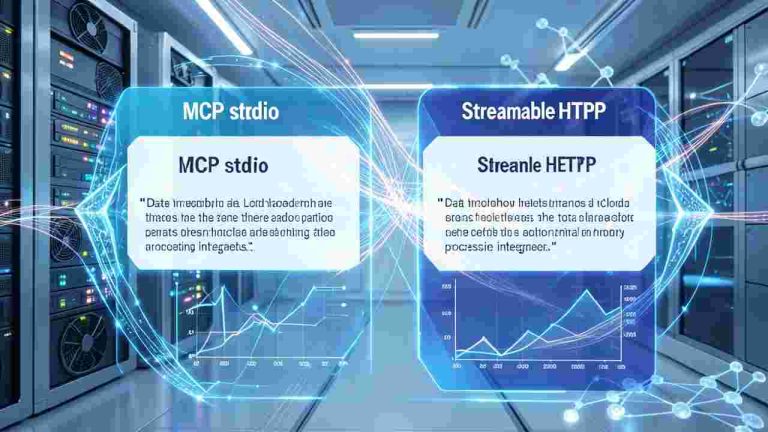
- Implement Real-Time Interfaces: Develop CLI (Command Line Interface) for quick manual operations, REPL (Read-Eval-Print Loop) for interactive debugging, and MCP (Model Context Protocol) server for AI-driven interactions with other applications.
- Deploy and Monitor: Host the agent on a secure server (e.g., Docker container, cloud VM) and set up logging and monitoring tools (e.g., Prometheus, Grafana) to track performance and detect issues.
- Test and Refine: Conduct thorough testing with real-world datasets to validate the agent’s accuracy, efficiency, and robustness. Refine the workflow based on feedback and emerging requirements.
Architecture Design: Modularity and Scalability
A well-designed autonomous OSINT agent must be modular, allowing developers to add, remove, or update tools without disrupting the entire system. The architecture should consist of four primary layers: Data Collection, Processing, Analysis, and Output. Each layer should communicate via standardized APIs or message brokers (e.g., RabbitMQ, Kafka). For scalability, consider containerizing components using Docker and orchestrating them with Kubernetes. This approach ensures that the agent can handle increasing data volumes and adapt to new data sources seamlessly.
Integrating AI for Smarter Intelligence Gathering
AI models like those from Anthropic can significantly enhance an OSINT agent’s capabilities by enabling natural language understanding, contextual analysis, and automated decision-making. For example, the agent can use AI to parse complex queries, prioritize data sources based on relevance, and generate human-readable reports from raw data. To integrate AI, developers can use the tool-use API to define functions that the model can call, such as fetching data from APIs, analyzing text, or summarizing findings. This reduces manual effort and allows the agent to operate autonomously with minimal human intervention.
Deploying Across Multiple Interfaces
An autonomous OSINT agent should be accessible through various interfaces to cater to different use cases. A CLI (Command Line Interface) is ideal for quick manual operations and scripting, while a REPL (Read-Eval-Print Loop) provides an interactive environment for debugging and testing. For AI-driven applications, an MCP (Model Context Protocol) server allows seamless integration with other AI tools and platforms. Each interface should be designed with security in mind, implementing authentication, rate limiting, and input validation to prevent misuse.
Security and Privacy Considerations
Security is paramount when building an autonomous OSINT agent, especially when handling sensitive or proprietary data. Key considerations include encrypting data in transit and at rest, implementing strict access controls, and auditing all interactions with the agent. Use tools like Vault for secrets management and TLS for secure communications. Additionally, ensure compliance with relevant regulations (e.g., GDPR, CCPA) if the agent processes personal data. Regularly update dependencies and conduct penetration testing to identify and mitigate vulnerabilities.
Challenges and Solutions in OSINT Automation
- Data Overload: OSINT agents often gather vast amounts of data, which can overwhelm storage and processing systems. Solution: Implement data filtering, deduplication, and prioritization mechanisms to focus on relevant information.
- Dynamic Data Sources: Websites and APIs frequently change, breaking existing tools. Solution: Use headless browsers (e.g., Playwright, Puppeteer) for dynamic content and implement fallback mechanisms for failed requests.
- False Positives: AI models may generate inaccurate or misleading outputs. Solution: Combine AI analysis with human review and validation, especially for critical investigations.
- Resource Intensity: AI models and heavy data processing can strain server resources. Solution: Optimize code, use cloud-based scaling, and implement caching to reduce redundant computations.
- Ethical and Legal Risks: OSINT activities may inadvertently violate laws or ethical guidelines. Solution: Establish clear policies for data usage, respect privacy, and consult legal experts when dealing with sensitive information.
Real-World Applications of Autonomous OSINT Agents
Autonomous OSINT agents have a wide range of applications across industries. In cybersecurity, they can monitor dark web forums for stolen credentials, track threat actors, and identify vulnerabilities in real time. For corporate intelligence, they can analyze competitor activities, track market trends, and monitor brand reputation. Law enforcement agencies use OSINT agents to gather evidence, identify suspects, and track illegal activities online. Even individuals can benefit from privacy-focused OSINT agents that monitor their digital footprint and alert them to potential risks. The versatility of these agents makes them invaluable tools for anyone involved in data-driven decision-making.
Future Trends in OSINT Automation
The field of OSINT automation is rapidly evolving, with several emerging trends set to shape its future. Advances in AI, particularly in multi-modal models (e.g., image, video, and text analysis), will enable OSINT agents to process a broader range of data types. The rise of decentralized and privacy-focused technologies (e.g., blockchain, zero-knowledge proofs) will also drive innovation in secure data handling. Additionally, the integration of OSINT agents with IoT devices and edge computing will allow for real-time intelligence gathering in physical environments. As these trends unfold, developers must stay agile and continuously update their agents to leverage new tools and methodologies.
Conclusion: Empowering Investigations with Autonomous OSINT Agents
Building an autonomous OSINT agent is a transformative project that combines the power of AI, modular automation, and self-hosting to create a highly efficient intelligence-gathering tool. By following the steps outlined in this guide, developers can design agents tailored to their specific needs, ensuring data privacy, scalability, and real-time capabilities. Whether for cybersecurity, corporate research, or personal privacy, an autonomous OSINT agent can revolutionize how you collect and analyze open-source intelligence. Start experimenting with the tools and architectures discussed here, and take your investigative capabilities to the next level.