Category: Email Marketing Automation
Tags:AI cold outreach, LLM automation, scalable outreach pipeline, email marketing automation, AI-driven lead generation, multi-stage automation, cold email campaigns, AI email personalization, outreach automation tools, B2B lead generation,
Why Traditional Cold Outreach Falls Short in the AI Era
Cold outreach has long been a cornerstone of B2B lead generation, but traditional methods—manual emailing, generic templates, and static lists—are increasingly ineffective. Prospects are inundated with impersonal messages, spam filters are stricter than ever, and response rates hover around a dismal 1-5%. The solution? AI-powered automation. By leveraging Large Language Models (LLMs) and multi-stage pipelines, businesses can scale outreach while maintaining relevance, personalization, and compliance. This guide breaks down how to build a four-stage automation system that transforms cold outreach from a shot in the dark to a precision-driven engine for growth.
#AIAgents #ArtificialIntelligence #SalesAutomation #Growth #LLM #Softved
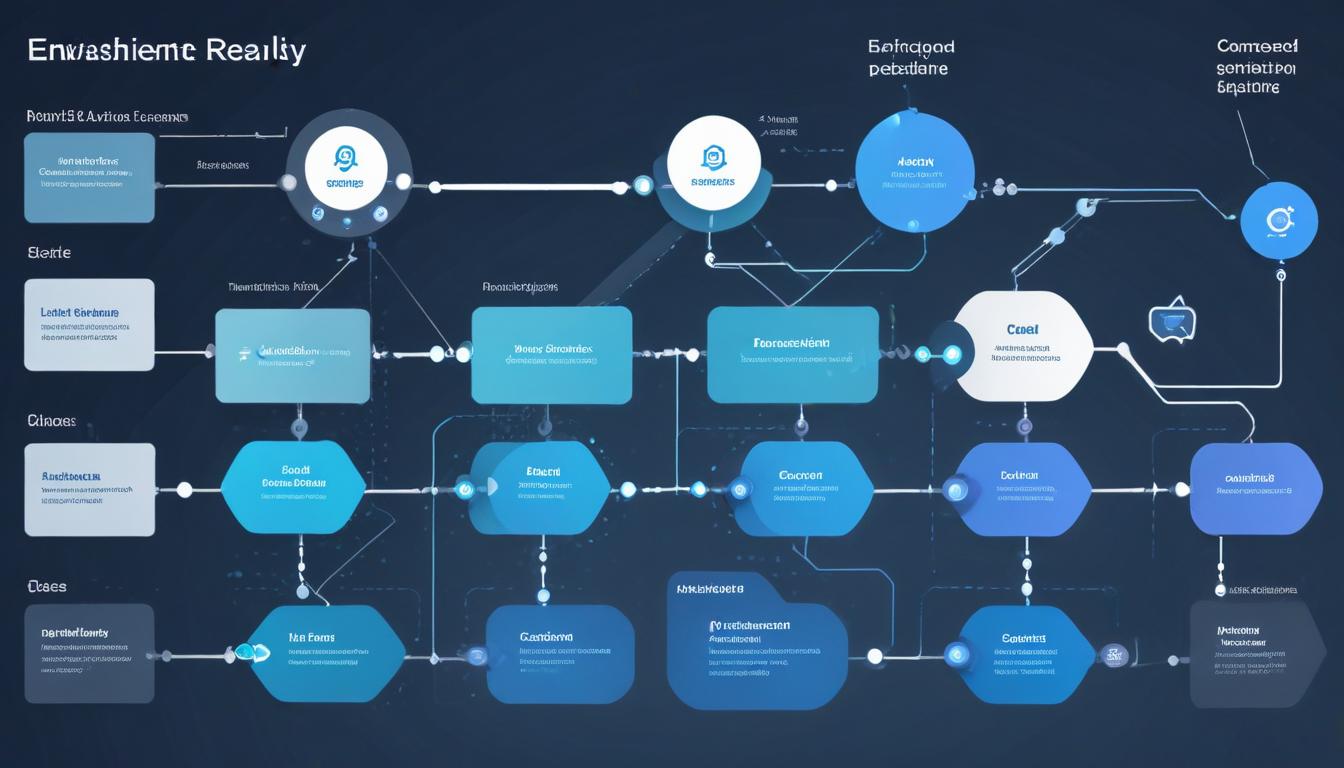
The Four-Stage AI Cold Outreach Pipeline: A Breakdown
- Stage 1: Lead Enrichment – Transform raw prospect data into actionable insights by enriching leads with job titles, company details, social profiles, and behavioral data. Tools like Apollo, Clearbit, or Hunter.io integrate seamlessly to provide the missing pieces of your prospect puzzle.
- Stage 2: Personalized Email Generation – Use LLMs to craft hyper-personalized emails that go beyond first-name personalization. Train your model on past successful campaigns, industry-specific pain points, and prospect-specific triggers to generate emails that feel human-written.
- Stage 3: Smart Scheduling – Avoid spam triggers and optimize deliverability by staggering sends based on prospect time zones, industry-specific best times, and domain reputation. Tools like Lemlist, Reply.io, or even native Gmail/Outlook scheduling can automate this process while maintaining compliance with anti-spam laws.
- Stage 4: Reply Classification & Human-in-the-Loop Validation – Not all replies are equal. Use AI to classify responses (e.g., interested, busy, not a fit) and prioritize high-intent leads for immediate follow-up. Combine this with manual review for edge cases to ensure quality and avoid miscommunication.
Optimizing Prompts for Specificity Over Volume
One of the biggest mistakes in AI-driven outreach is prioritizing volume over precision. A generic prompt like ‘Write a cold email for a CEO’ will yield generic results. Instead, focus on specificity: ‘Write a 150-word cold email to a SaaS founder in cybersecurity who recently raised Series B funding, highlighting how our AI tool reduces their customer support costs by 40%. Use a conversational tone and include one emoji.’ The more context you provide, the better the LLM performs. Experiment with few-shot prompting by including 2-3 examples of your best-performing emails to guide the model’s tone and structure.
Balancing AI Efficiency with Deliverability: The Delicate Dance
AI can automate at scale, but deliverability requires finesse. Over-automation risks triggering spam filters or damaging your domain reputation. Key strategies include: warming up new domains gradually (start with 10-20 emails/day and scale up over weeks), rotating IP addresses or using dedicated IPs for high-volume campaigns, and monitoring engagement metrics like open rates and reply rates. Tools like Mailflow or MXToolbox help test your setup before launching campaigns. Additionally, avoid AI-generated content that feels robotic—prospects can spot it a mile away.
Domain Warming: The Unsung Hero of Email Deliverability
Domain warming is the process of gradually increasing email volume from a new domain to build trust with ISPs (Internet Service Providers). Start by sending small batches (50-100 emails/day) to your most engaged subscribers or internal team members. Use this phase to test email copy, links, and sender reputation. Tools like Warmup Inbox or Lemwarm automate this process by simulating recipient engagement. Skipping this step can land your emails in the spam folder permanently, wasting months of outreach efforts.
Rate Limit Handling: Avoiding the ‘Too Many Requests’ Nightmare
LLM APIs (like OpenAI or Anthropic) have rate limits that can throttle your outreach if not managed properly. To avoid disruptions, implement exponential backoff in your automation scripts, cache responses to reduce API calls, and distribute workloads across multiple accounts or tools. For example, if you’re using a tool like Make (Integromat) or Zapier, set delays between steps to prevent hitting limits. Additionally, consider using batch processing for enrichment and generation tasks to minimize API calls per prospect.
Human-in-the-Loop: Where AI Meets Human Expertise
While AI excels at scale, some tasks require human judgment. Implement a human-in-the-loop system to review high-value replies, approve sensitive outreach (e.g., to VPs or C-level executives), and refine prompts based on real-world results. This hybrid approach ensures quality while maintaining efficiency. For example, use AI to classify replies as ‘interested’ or ‘not a fit,’ but have a human review the ‘interested’ responses to craft tailored follow-ups. Tools like Tray.io or custom scripts can facilitate this workflow.
Measuring Success: Key Metrics to Track
- Open Rate – Aim for 20-30% for cold emails; anything below 15% signals poor targeting or deliverability issues.
- Reply Rate – A healthy reply rate is 5-10%, indicating strong personalization and relevance.
- Click-Through Rate (CTR) – Track how many prospects click links in your emails to gauge engagement with your offer.
- Bounce Rate – Keep bounce rates below 2% to maintain sender reputation.
- Spam Complaint Rate – Aim for less than 0.1% to avoid blacklisting.
- Cost per Lead – Calculate the total cost (tools, time, API usage) divided by the number of qualified leads generated.
Tools to Supercharge Your AI Cold Outreach Pipeline
- Lead Enrichment: Apollo, Clearbit, Hunter.io, Lusha
- Email Generation: OpenAI API, Anthropic API, Jasper.ai
- Scheduling: Lemlist, Reply.io, Gmelius, Mixmax
- Reply Classification: MonkeyLearn, Google’s Natural Language API, custom models via Hugging Face
- Domain Warming: Warmup Inbox, Lemwarm, InboxAlly
- Automation: Make (Integromat), Zapier, Tray.io, n8n
- Analytics: Mailchimp, HubSpot, Lemlist Analytics, Google Analytics
Common Pitfalls and How to Avoid Them
- Over-Personalization: Avoid sounding like a stalker. Stick to relevant details like job role, industry, or recent news.
- Ignoring Time Zones: Schedule emails to arrive during working hours in the prospect’s location.
- Neglecting Mobile Optimization: 50% of emails are opened on mobile. Test your emails on mobile devices.
- Using Spam Trigger Words: Avoid phrases like ‘Act now,’ ‘Guaranteed,’ or ‘Limited time offer’ in subject lines.
- Skipping Follow-Ups: The average response rate to the first email is low. Plan for 4-7 follow-ups spread over weeks.