Category: Android Security
Tags:Android accessibility services, multi-user privacy, TalkBack security, CVE-2022-20448, Android app security, screen reader vulnerabilities, Android privacy risks, assistive tech security, Android device security, notification leakage,
Understanding Android Accessibility Services and Their Dual Role
Android’s accessibility services, including TalkBack, Switch Access, and Voice Access, are essential tools for users with disabilities. These services enhance usability by reading screen content aloud, providing voice commands, and enabling alternative input methods. However, their deep integration with the Android system also makes them powerful tools that can potentially access sensitive data, including notifications, screen content, and user inputs. This dual role—providing accessibility while posing security risks—creates a critical challenge for both developers and users, particularly in multi-user environments where shared devices are common.
#Cybersecurity #Android #MobileSecurity #Privacy #SecurityEngineering #Softved
The Hidden Risk: How Accessibility Services Can Compromise Multi-User Privacy
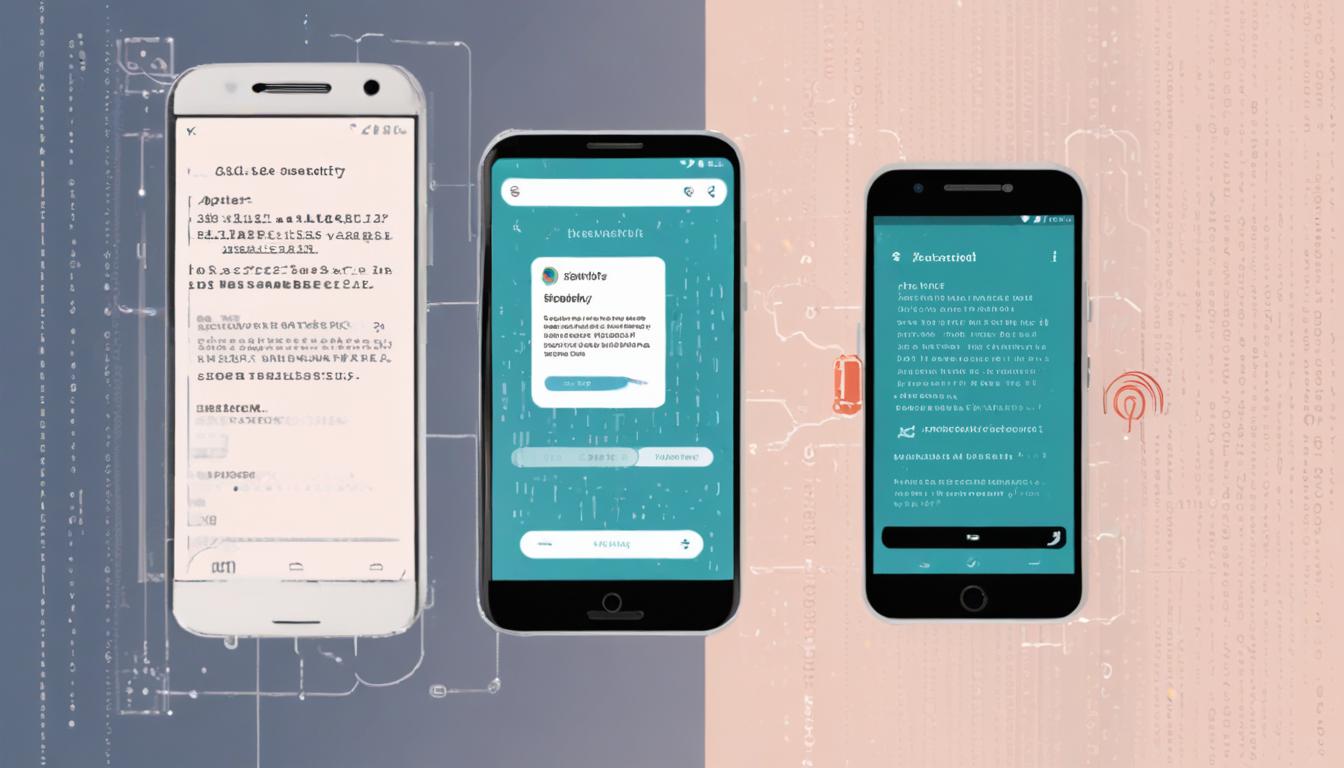
In shared device scenarios, accessibility services like TalkBack can inadvertently expose sensitive information across user profiles. For example, a screen reader might read aloud a private notification from one user’s profile while another user is actively using the device. This leakage occurs because accessibility services often operate at a system-wide level with high permissions, allowing them to intercept and process data from all user profiles. The risk is magnified when users rely on shared devices for work, personal tasks, or sensitive communications, making privacy breaches not just a theoretical concern but a real-world threat.
CVE-2022-20448: A Case Study in Accessibility Service Vulnerabilities
CVE-2022-20448 is a critical vulnerability that exemplifies the risks associated with Android accessibility services. This flaw allowed malicious apps to exploit accessibility services to capture sensitive data, including screen content, keystrokes, and notifications, without the user’s knowledge. The vulnerability stemmed from insufficient permission checks and inadequate sandboxing of accessibility services, enabling unauthorized access to data across user profiles. By analyzing CVE-2022-20448, developers and security researchers can better understand the technical underpinnings of such threats and implement stronger safeguards in their applications.
Real-World Exploitation Scenarios: How Attackers Abuse Accessibility Services
Attackers can exploit accessibility services in several ways to compromise multi-user privacy. One common method involves tricking users into installing a malicious app disguised as a legitimate accessibility tool. Once installed, the app can request excessive permissions, such as the ability to read notifications or screen content, and then exfiltrate this data to a remote server. Another scenario involves exploiting vulnerabilities in legitimate accessibility apps to gain elevated privileges, allowing attackers to monitor user activity, capture sensitive inputs, and even control device functions. These real-world exploitation methods highlight the urgent need for proactive security measures.
Audit Your Android Accessibility Features: A Step-by-Step Guide
Auditing your Android device’s accessibility features is a critical step in identifying and mitigating potential security risks. Start by reviewing the list of installed accessibility services in your device settings. Look for apps that you do not recognize or that request excessive permissions, such as access to notifications or screen content. Next, check the permissions granted to each accessibility service and revoke any that seem unnecessary or suspicious. Additionally, use tools like Android’s built-in security scan or third-party security apps to detect vulnerabilities or malicious activity. Regular audits ensure that your device remains secure and that accessibility services are not inadvertently exposing your data.
Developers: Best Practices to Secure Accessibility Features in Your Apps
- Implement the principle of least privilege: Only request the minimum permissions necessary for your accessibility service to function. Avoid requesting broad permissions like access to all notifications unless absolutely required.
- Use explicit user consent: Clearly explain why your app needs specific permissions and how the data will be used. Provide users with granular control over what data is shared.
- Sandbox accessibility services: Ensure that your app’s accessibility features operate within a restricted environment to prevent unauthorized data access or leakage across user profiles.
- Regularly update and patch vulnerabilities: Stay informed about the latest security updates and patches for Android and your app’s dependencies. Address known vulnerabilities promptly to mitigate risks.
- Conduct thorough security testing: Use tools like static and dynamic analysis to identify potential security flaws in your accessibility features. Perform penetration testing to simulate real-world attack scenarios.
- Educate users about privacy risks: Provide clear documentation and in-app guidance on how to safely use accessibility features. Highlight the importance of auditing permissions and avoiding suspicious apps.
- Monitor for anomalous activity: Implement logging and monitoring to detect unusual behavior, such as unexpected data access or permission changes. Alert users to potential security threats.
- Collaborate with security researchers: Participate in bug bounty programs or security research initiatives to identify and fix vulnerabilities in your accessibility features.
Protecting Multi-User Privacy: Tips for Users and Organizations
For users, protecting multi-user privacy starts with being mindful of the apps and services installed on shared devices. Regularly audit accessibility features, revoke unnecessary permissions, and avoid installing apps from untrusted sources. Users should also enable device encryption and use strong, unique passwords for each user profile to add an extra layer of security. Organizations that rely on shared Android devices should implement mobile device management (MDM) solutions to enforce security policies, such as restricting the installation of accessibility apps and monitoring for suspicious activity. Additionally, providing training on safe device usage and privacy best practices can help mitigate risks in multi-user environments.
The Future of Accessibility and Security in Android
As Android continues to evolve, so too must the security measures surrounding its accessibility services. Google has taken steps to improve the sandboxing and permission controls for accessibility apps, but challenges remain in balancing accessibility needs with privacy protections. Future advancements may include stricter app review processes, enhanced user controls, and AI-driven anomaly detection to identify and prevent abuse of accessibility features. Developers and users alike must stay informed about these developments and advocate for security-first design principles in accessibility tools to ensure that these critical services remain safe for all users.