Introduction to DrupalSouth 2026 and the AI-DevOps Synergy
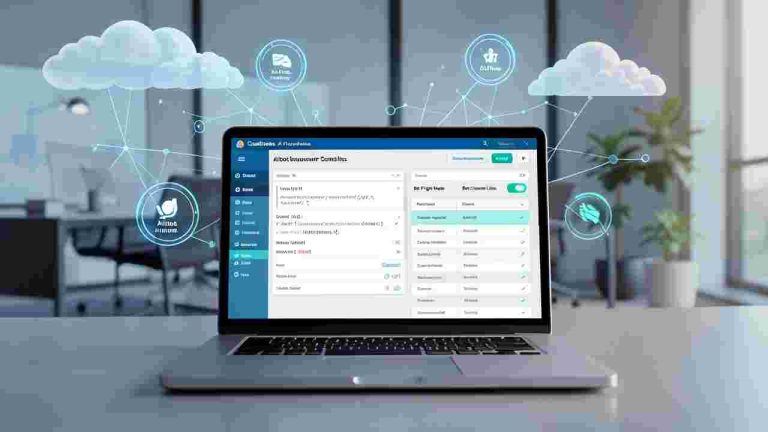
DrupalSouth 2026 stands at the forefront of innovation, bringing together leading experts in Drupal development, DevOps, and artificial intelligence to revolutionize the way we approach site migrations and deployments. This event is not just about keeping up with trends; it’s about setting the pace for the future of digital experiences. By merging DevOps methodologies with AI-driven tools, DrupalSouth 2026 is paving the way for more efficient, reliable, and scalable Drupal migrations. The fusion of these technologies enables developers to automate complex workflows, reduce human error, and achieve unprecedented levels of performance optimization.
Why AI and DevOps Are Critical for Future-Proof Drupal Migrations
Traditional Drupal migrations often suffer from inefficiencies, prolonged downtimes, and the risk of data loss or corruption. However, with the integration of AI and DevOps, these challenges can be mitigated significantly. AI brings the power of machine learning to analyze migration patterns, predict potential bottlenecks, and suggest optimal pathways for data transfer. DevOps, on the other hand, ensures that the migration process is seamless, repeatable, and scalable, with continuous integration and delivery (CI/CD) pipelines automating the deployment of code and configurations. Together, they form a robust framework that not only accelerates the migration process but also enhances the overall stability and performance of the Drupal site post-migration.
- AI-driven predictive analytics to identify migration risks before they occur
- Automated CI/CD pipelines for faster and more reliable deployments
- Real-time monitoring and alert systems to detect and resolve issues instantly
- AI-powered content optimization to ensure seamless user experience post-migration
- DevOps practices like infrastructure as code (IaC) for consistent and reproducible environments
Step-by-Step Guide to Leveraging AI Tools for Drupal Migrations
Implementing AI tools in your Drupal migration strategy requires a structured approach. The first step is to assess your current infrastructure and identify areas where AI can add the most value. This could include automating repetitive tasks, such as content migration, or using AI to analyze and clean up legacy data before transferring it to the new Drupal environment. Tools like Drupal’s Migrate API, combined with AI plugins, can streamline the process by automatically mapping data fields and resolving discrepancies. Additionally, AI can be used to simulate migration scenarios, allowing you to test different approaches and select the most efficient one before executing the actual migration.
Building a DevOps Pipeline for Seamless Drupal Deployments
A well-structured DevOps pipeline is the backbone of any successful Drupal migration. It ensures that every step of the process, from code development to deployment, is automated, monitored, and optimized. Start by defining your pipeline stages, including build, test, and deploy, and integrate tools like Jenkins, GitLab CI, or GitHub Actions to automate these processes. Use containerization with Docker to create consistent environments across development, staging, and production. Infrastructure as Code (IaC) tools like Terraform or Ansible can further automate the provisioning and configuration of your servers, reducing the risk of human error and ensuring that your Drupal site is always running on a stable and optimized platform.
- Set up automated testing to catch errors early in the development cycle
- Use containerization to ensure consistency across all environments
- Implement infrastructure as code (IaC) for scalable and repeatable deployments
- Integrate real-time monitoring tools like Prometheus or New Relic for performance tracking
- Optimize your CI/CD pipeline to reduce deployment times and minimize downtime
Real-Time Monitoring and AI-Driven Optimization Post-Migration
Once your Drupal site is migrated and deployed, the work doesn’t stop there. Real-time monitoring is crucial to ensure that your site remains performant, secure, and available. Tools like Blackfire, XHProf, or New Relic can provide deep insights into your site’s performance, identifying bottlenecks and areas for improvement. AI takes this a step further by continuously analyzing performance data and suggesting optimizations, such as adjusting database queries, caching strategies, or even recommending architectural changes. For example, AI can detect patterns in user behavior and recommend content personalization strategies to enhance engagement and reduce bounce rates.
- Use monitoring tools to track server health, response times, and error rates
- Leverage AI to analyze performance data and suggest optimizations in real time
- Implement automated scaling to handle traffic spikes and ensure uptime
- Regularly audit your site’s security posture and apply AI-driven threat detection
- Continuously test and optimize your Drupal configuration for peak performance
Case Study: How a Leading Organization Achieved Zero Downtime Migrations with AI and DevOps
One of the most compelling examples of the power of AI and DevOps in Drupal migrations comes from a global enterprise that successfully migrated its legacy Drupal 7 site to Drupal 9 with zero downtime. By leveraging AI-driven predictive analytics, the team identified potential migration risks and optimized their data mapping process. They implemented a robust DevOps pipeline with automated testing and CI/CD, ensuring that every code change was thoroughly vetted before deployment. Real-time monitoring tools were integrated to track performance, and AI was used to fine-tune caching and database queries post-migration. The result was a seamless migration that not only preserved all legacy content but also improved site performance by 40% and reduced downtime to absolute zero. This case study underscores the transformative potential of AI and DevOps when applied to Drupal migrations.
Future-Proofing Your Drupal Site: Long-Term Strategies with AI and DevOps
Future-proofing your Drupal site goes beyond the initial migration. It requires a long-term strategy that embraces continuous improvement and adaptation to evolving technologies. Start by adopting a modular approach to your Drupal architecture, allowing for easy updates and scalability. Use AI to monitor emerging trends in user behavior and technology, such as the rise of headless Drupal or the adoption of progressive web apps (PWAs). DevOps practices like GitOps can further enhance your ability to deploy updates quickly and reliably. Additionally, invest in training your team to stay ahead of the curve, ensuring they are proficient in the latest AI tools, DevOps methodologies, and Drupal best practices. By staying proactive and leveraging the synergy between AI and DevOps, you can ensure that your Drupal site remains agile, secure, and high-performing for years to come.
- Adopt a modular Drupal architecture to facilitate easy updates and scalability
- Use AI to monitor and adapt to emerging trends in user behavior and technology
- Implement GitOps for streamlined and reliable deployments
- Invest in continuous training for your team on AI and DevOps tools
- Regularly update and optimize your Drupal configuration to align with best practices
Conclusion: Embracing the Future of Drupal Migrations with AI and DevOps
DrupalSouth 2026 is a testament to the incredible potential of merging AI and DevOps in the realm of Drupal migrations. By adopting these technologies, developers and organizations can transform their migration processes from tedious, error-prone tasks into streamlined, efficient, and future-proof operations. The key takeaway is to start small, integrate AI and DevOps tools incrementally, and continuously monitor and optimize your processes. Whether you’re a small business or a large enterprise, the combination of AI-driven insights and DevOps automation will empower you to build Drupal sites that are not only migration-ready but also primed for the challenges and opportunities of the digital future. The future of Drupal is here, and it’s smarter, faster, and more reliable than ever before.