Category: DevOps & Kubernetes
Tags:Kubernetes, Minikube, Kind, Node.js, Docker, DevOps, Local Kubernetes, Container Orchestration, Cloud Native, CI/CD,
Why Kubernetes Doesn’t Have to Be Complicated
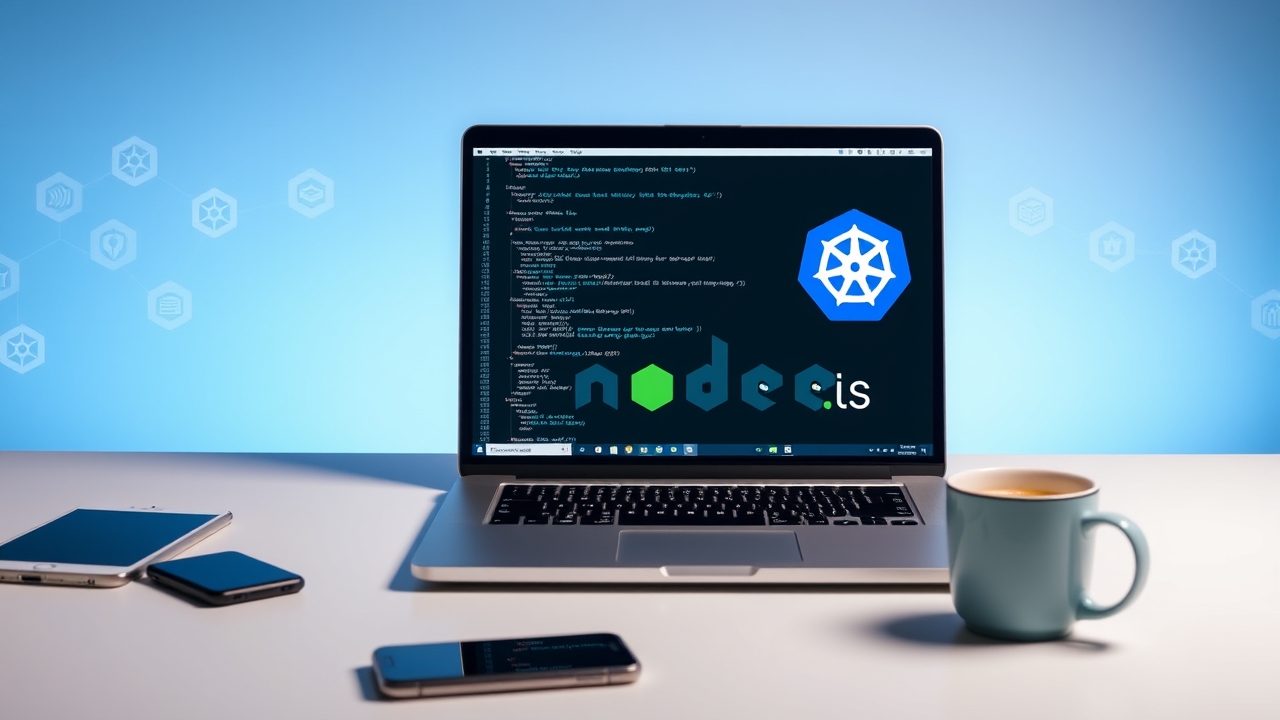
Kubernetes is often seen as a complex system reserved for seasoned DevOps engineers, but it doesn’t have to be. With tools like Minikube and Kind, you can set up a local Kubernetes cluster in minutes and deploy applications without the steep learning curve. This guide is designed for developers who want to get hands-on with Kubernetes quickly, without getting bogged down by theory or configuration sprawl. Whether you’re testing a new feature, debugging an issue, or just learning, Minikube and Kind provide the perfect sandbox environment to experiment safely and efficiently.
What You’ll Need Before You Start
- A computer running macOS, Linux, or Windows
- Docker installed on your system
- Node.js and npm for your application
- kubectl for Kubernetes command-line operations
- Minikube for local Kubernetes cluster management (or Kind as an alternative)
- A basic Node.js application to deploy (or use a sample one)
Step 1: Setting Up Your Local Kubernetes Cluster with Minikube
Minikube is a tool that runs a single-node Kubernetes cluster locally, making it ideal for development and testing. Start by installing Minikube on your system. For macOS, you can use Homebrew with the command `brew install minikube`. On Linux, download the binary directly from the Minikube GitHub repository. Once installed, start your cluster with `minikube start`—this command initializes a VM with Kubernetes preconfigured and ready to use. Verify your setup by running `kubectl get nodes`, which should return a single node labeled as ‘Ready’. If you encounter issues, ensure Docker is running and that your system meets the minimum requirements for Minikube.
Step 2: Setting Up Your Node.js Application
For this guide, we’ll use a simple Express.js application as our example. If you don’t have one handy, create a new directory and initialize a Node.js project with `npm init -y`. Install Express with `npm install express`, then create an `app.js` file with the following code: `const express = require(‘express’); const app = express(); const port = 3000; app.get(‘/’, (req, res) => { res.send(‘Hello from Kubernetes!’); }); app.listen(port, () => { console.log(`App running on http://localhost:${port}`); });` Test your application locally by running `node app.js` to ensure it works before moving to Kubernetes. Next, create a `Dockerfile` in the same directory to containerize your app. A basic Dockerfile might look like this: `FROM node:18-alpine WORKDIR /app COPY package*.json ./ RUN npm install COPY . . EXPOSE 3000 CMD [“node”, “app.js”]` Build your Docker image with `docker build -t node-k8s-app .` and verify it with `docker images`.
Step 3: Creating Kubernetes Deployment and Service YAML Files
Kubernetes uses YAML files to define how applications should be deployed. You’ll need two files: one for the deployment and one for the service. Start with the deployment file, `deployment.yaml`, which tells Kubernetes how to run your application. Add the following content: `apiVersion: apps/v1 kind: Deployment metadata: name: node-k8s-app spec: replicas: 3 selector: matchLabels: app: node-k8s-app template: metadata: labels: app: node-k8s-app spec: containers: – name: node-k8s-app image: node-k8s-app ports: – containerPort: 3000` This file instructs Kubernetes to create three replicas of your application and use the `node-k8s-app` Docker image. Next, create a `service.yaml` file to expose your application internally within the cluster: `apiVersion: v1 kind: Service metadata: name: node-k8s-service spec: selector: app: node-k8s-app ports: – protocol: TCP port: 80 targetPort: 3000 type: NodePort` This service routes traffic to your deployment on port 3000. Apply both files using `kubectl apply -f deployment.yaml` and `kubectl apply -f service.yaml`.
Step 4: Deploying Your Application to Kubernetes
With your YAML files ready, deploying your application is as simple as running two commands. First, ensure your Docker image is accessible to Minikube by loading it into the cluster’s Docker daemon with `minikube image load node-k8s-app`. Then, apply your deployment and service files using `kubectl apply -f deployment.yaml` and `kubectl apply -f service.yaml`. Check the status of your deployment with `kubectl get deployments` and your pods with `kubectl get pods`. You should see three pods running, each representing a replica of your application. Verify that the service is running with `kubectl get services`, which should list your `node-k8s-service` along with its assigned NodePort.
Step 5: Accessing Your Application and Testing Self-Healing
To access your application, Minikube provides a simple way to open a browser window with the exposed service. Run `minikube service node-k8s-service –url` to get the URL for your service. Open this URL in your browser to see your Node.js app running in Kubernetes. Next, test Kubernetes’ self-healing capabilities by deleting a pod manually: `kubectl delete pod
Step 6: Scaling Your Application and Performing Rolling Updates
One of Kubernetes’ most powerful features is its ability to scale applications effortlessly. Scale your deployment to five replicas by editing your `deployment.yaml` file and changing the `replicas` value to 5, then apply the change with `kubectl apply -f deployment.yaml`. Verify the scaling with `kubectl get deployments`, which should show five pods running. Rolling updates are another key feature, allowing you to update your application without downtime. Update your `app.js` file to change the response message, then rebuild your Docker image with a new tag, e.g., `docker build -t node-k8s-app:v2 .`. Push this image to Minikube’s Docker daemon with `minikube image load node-k8s-app:v2`. Update your deployment to use the new image by editing the `deployment.yaml` file and changing the `image` value to `node-k8s-app:v2`, then apply the change. Kubernetes will perform a rolling update, gradually replacing old pods with new ones to ensure zero downtime.
Step 7: Cleaning Up and Next Steps
Once you’ve finished experimenting, it’s important to clean up your Kubernetes resources to free up system resources. Delete your deployment and service with `kubectl delete -f deployment.yaml` and `kubectl delete -f service.yaml`. Stop and delete your Minikube cluster with `minikube stop` and `minikube delete`. If you used Kind instead, run `kind delete cluster` to remove your cluster. To continue learning, explore more advanced Kubernetes features like ConfigMaps for environment variables, PersistentVolumes for storage, and Ingress for external access. The Kubernetes documentation and interactive tutorials are excellent resources for diving deeper.
Conclusion: Kubernetes Made Simple for Developers
Deploying a Node.js application on Kubernetes doesn’t have to be a daunting task. With Minikube and Kind, you can set up a local Kubernetes cluster in minutes and deploy applications with just a few YAML files. This guide walked you through the entire process—from setting up your environment and containerizing your app to deploying, scaling, and updating it—all in under 15 minutes. By following these steps, you’ve gained practical experience with Kubernetes’ core features, including self-healing, scaling, and rolling updates, without getting lost in the complexity. Now that you’ve seen how straightforward Kubernetes can be, you’re well-equipped to explore more advanced topics and integrate Kubernetes into your development workflow.