Why Traditional Authentication Fails for AI Agents
OAuth and shared secret models were designed for human-to-machine interactions, not autonomous AI agents that require continuous, fine-grained access to resources. These legacy systems introduce critical vulnerabilities: credential sharing between agents, static permissions that never expire, and no mechanism to verify agent identity at operation time. The result is credential leakage risks that can compromise entire systems, cross-user access violations where one user’s agent gains unauthorized access to another’s data, and the inability to enforce context-aware permissions that adapt to real-time requirements.
Core Principles of Decentralized AI Authentication
- Zero-trust architecture that assumes no entity is trusted by default, requiring continuous verification of agent identity and permissions
- Dynamic permissions that change based on context, user intent, and real-time risk assessment
- Per-operation consent fences that require explicit approval for each action before execution
- Agent identity binding through cryptographically verifiable tokens tied to specific operations
- Real-time account binding checks that prevent credential misuse across user sessions
Designing URL-Based Agent Tokens for Secure Access
URL-based agent tokens represent a paradigm shift from traditional API keys by embedding access parameters directly into the request URL. Unlike static tokens stored in configuration files, these tokens contain expiration timestamps, operation scopes, and cryptographic signatures that verify their authenticity. Each token is generated on-demand for specific tasks, eliminating the risk of credential leakage through version control systems or shared repositories. The token structure typically includes a base64-encoded payload containing the agent identifier, target resource URI, allowed HTTP methods, and a nonce to prevent replay attacks.
Implementing Per-Operation Consent Fences
Per-operation consent fences require agents to obtain explicit user approval for each action before execution, creating a granular permission model that adapts to real-world requirements. This system uses a three-phase workflow: the agent requests permission via a secure endpoint, the user reviews and approves the specific operation (including resource path, method, and data scope), and the system issues a short-lived token valid only for that operation. Implementation requires a backend service that maintains operation logs for audit trails and enforces token expiration typically within 5-15 minutes of issuance.
Real-Time Account Binding for Cross-User Security
Real-time account binding checks prevent credential misuse by continuously verifying that the agent’s identity aligns with the user’s active session. This system monitors multiple factors including IP geolocation consistency, user-agent signatures, and session activity patterns. Any deviation triggers immediate token invalidation and requires re-authentication through multi-factor channels. The binding mechanism integrates with existing identity providers via standardized protocols while adding an additional layer of context-aware verification that traditional OAuth flows cannot accommodate.
Dynamic Permission Management with Context Awareness
Dynamic permissions in decentralized AI systems adapt to changing conditions by evaluating multiple context variables including time of day, user location, data sensitivity levels, and historical behavior patterns. The permission engine uses a rules-based approach combined with machine learning models that learn from user behavior to predict appropriate access levels. Implementation requires a central policy engine that evaluates each request against these contextual factors before granting or denying access, with the ability to override permissions based on emergency conditions detected through anomaly detection systems.
Error Recovery and Credential Leakage Prevention
- Automated token rotation systems that invalidate tokens after each operation or after predefined time intervals
- Comprehensive audit logging that tracks every authentication attempt, permission change, and access request with cryptographic proof of integrity
- Real-time alerting systems that notify administrators of suspicious patterns including multiple failed authentication attempts or permission escalation requests
- Fallback mechanisms that temporarily revoke permissions while maintaining system functionality during authentication failures
- Agent identity verification through attestation protocols that prove the agent’s code integrity and runtime environment security
Step-by-Step Implementation Guide
Implementing decentralized AI authentication requires careful planning and phased deployment. Start by designing your token schema with clear expiration policies and cryptographic requirements. Implement the user consent interface that provides clear visual feedback about requested permissions, including resource paths and data scopes. Deploy the real-time binding verification system alongside your existing authentication infrastructure. Gradually migrate agents to the new system while maintaining backward compatibility with legacy tokens during the transition period. Monitor system performance and adjust token lifetimes based on operational requirements and security posture.
Comparing Costs and Performance Impact
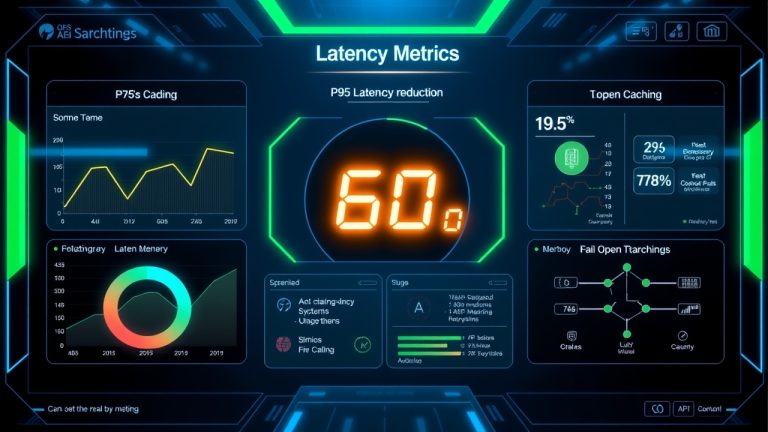
While decentralized authentication introduces additional computational overhead for token generation, verification, and real-time binding checks, the security benefits typically outweigh these costs. Performance impact can be mitigated through edge caching of frequently accessed permissions and asynchronous verification of low-risk operations. Cost analysis should consider the reduced risk of credential leakage incidents, which often result in data breaches costing millions, balanced against the operational costs of maintaining more complex authentication systems. Most implementations see less than 15% increase in authentication latency with proper caching strategies.
Future-Proofing Your AI Security Architecture
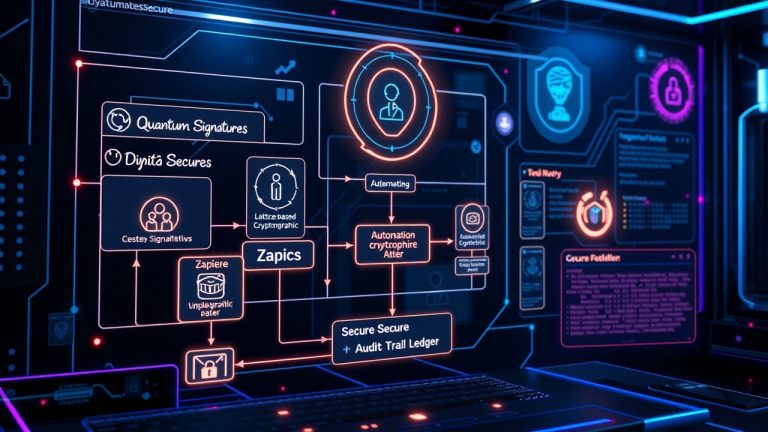
The decentralized authentication model positions organizations for future regulatory compliance requirements including GDPR’s strict consent requirements and upcoming AI-specific regulations. The modular design allows integration with emerging technologies like blockchain-based identity verification and quantum-resistant cryptography. Future enhancements include AI-driven permission optimization that automatically adjusts policies based on changing threat landscapes and user behavior patterns, creating a self-healing security infrastructure that evolves with your operational needs.
Keywords:
decentralized authentication, AI agent security, zero-trust identity systems, dynamic permissions, agent token security, OAuth alternatives, credential leakage prevention, cross-user access risks, fine-grained permissions, real-time account binding, URL-based tokens, AI system security, permission management, credential security, data access control,